Subscription teams know the pattern. December is often quiet, but January brings a spike in subscriber churn.
When credit card bills arrive and New Year's resolutions to "save money" kick in, subscribers inevitably audit their monthly expenses. If you are waiting until January to react, it is already too late.
The root problem? Many D2C brands and broadcasters are still trying to segment their audience using e-commerce logic in a recurring revenue world. They focus on recency and monetary value. But to actually protect revenue, we need to move beyond simple transaction data and look at behavioral posture.
From RFM to SAV: adapting to the recurring reality
In traditional retail and e-commerce, the gold standard for customer segmentation is the RFM Framework (Recency, Frequency, Monetary). It asks three simple questions:
-
When did the customer last buy?
-
How often do they buy?
-
How much do they spend?
This works perfectly for selling shoes or flights. But for digital subscriptions, the transaction process is automated, making RFM misleading.

Source: Omniconvert
In a D2C subscription model:
-
Frequency is misleading: A customer might pay automatically every month (high frequency) but never log in (high churn risk).
-
Recency is irrelevant: If the renewal happens in the background, a recent payment doesn't indicate active engagement.
To bring truly actionable insights to your subscribers, we had to evolve the model. We developed the SAV Framework, adapting the principles of RFM specifically for the dynamics of subscription businesses and churn prevention.
The methodology: what is the SAV framework?
Instead of looking strictly at purchase history, the SAV matrix scores subscribers (typically on a 1–5 scale) across three dimensions that specifically impact Customer Lifetime Value (CLTV):
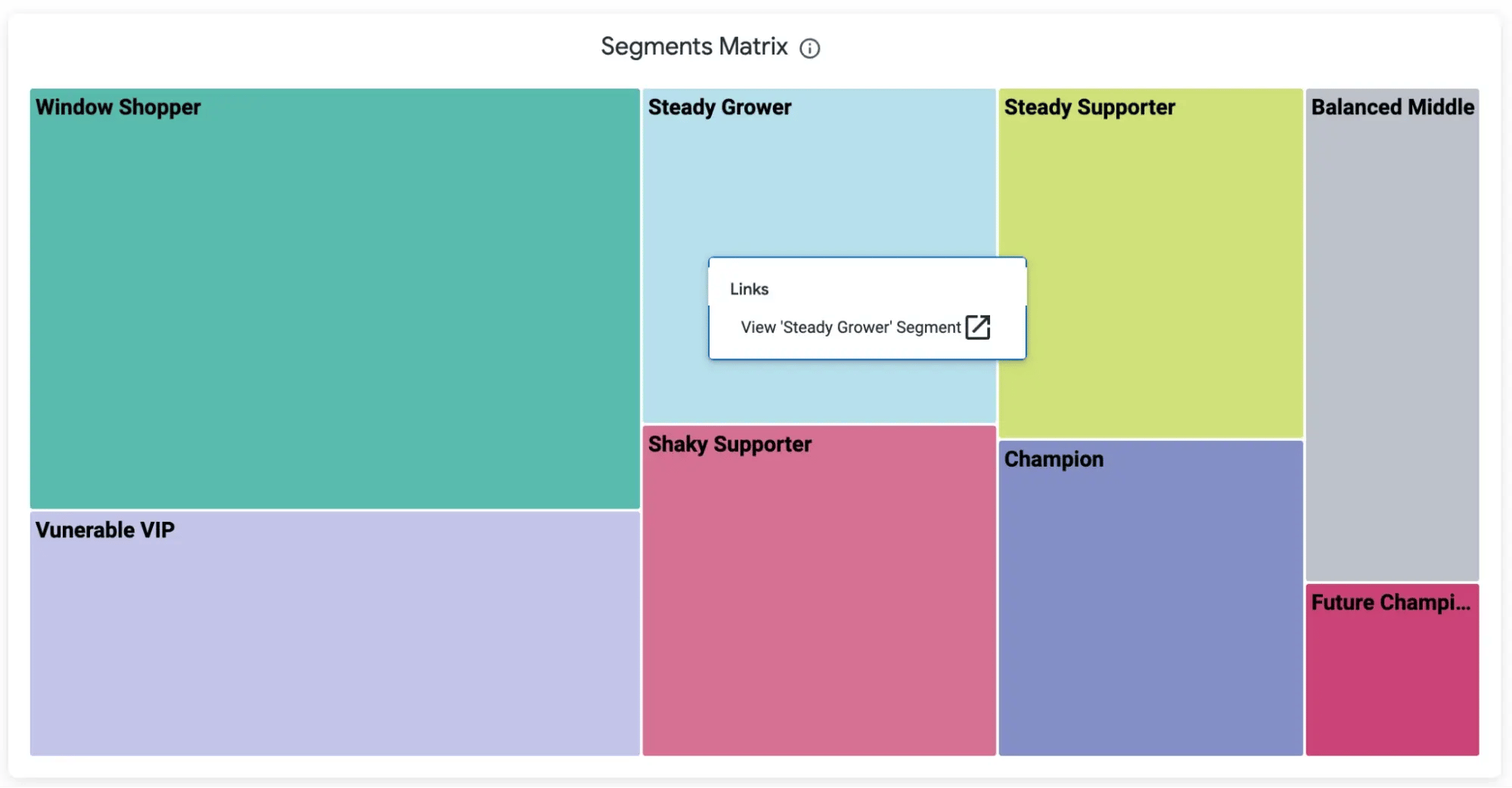
1. Stability: the "risk" factor
Stability replaces the static "recency" concept.
-
What it is: Stability analyzes the structure of the subscription health. It looks at subscription age, active cancellation status, and critically, the next renewal date.
-
The insight: It tells us if the recurring revenue stream is secure or if it is facing a disruption event.
-
Note: In our scoring, a Lower Score = Better Stability.
-
2. Attachment: the loyalty factor
Attachment adds behavioral depth to "frequency".
-
What it is: This measures long-term loyalty and habit formation. It combines the time since activation with transaction volume, feature usage, and win-back history.
-
The insight: It tells us if the subscriber is emotionally and behaviorally hooked on the service, rather than just legally bound by a contract.
3. Value: the monetary factor
Value is the monetary equivalent, calculated for LTV.
-
What it is: It captures total revenue contribution by aggregating Customer Lifetime Revenue (CLTV), the current Subscription Value, and the offer period (e.g., Annual vs. Monthly plans).
3 micro-segments to target this December
By combining these three scores, we can isolate specific groups of users. To survive the January churn, these are the three subscriber segments you need to address before 2026 arrives.
1. The Vulnerable VIP
-
The profile: High Value Score, High Instability Score.
-
The reality: Don't let the name scare you. These aren't necessarily "unhappy" customers. They are your highest-value subscribers (often on premium tiers) who are simply approaching a critical renewal event. Their "Instability" score is high because their renewal date is imminent.
-
The strategy: White-Glove Service. Do not try to upsell them – they are already paying top dollar. Your goal is to ensure their renewal transaction is frictionless. Send proactive renewal messaging or a personal "VIP Care" note.
2. The Solid Supporter
-
The profile: High Attachment Score, Low Value Score, Low Instability.
-
The reality: These are your "steady Eddies." They use your service constantly (high attachment), but they generate less revenue, likely because they are sitting on a basic or legacy monthly plan.
-
The strategy: The Annual Upsell. This is the safest group to target for upgrades. They are loyal and low-risk. Recognize their loyalty with usage milestones and offer a clear upgrade path to an annual plan.
3. The Future Champion
-
The profile: High Value Score, Low Attachment Score.
-
The reality: This is a silent risk. These users are paying premium prices, but their engagement is not yet mature. They are paying for the buffet but not eating. If their attachment doesn't increase, they will eventually question the value proposition.
-
The strategy: Activation & Value Realization. Focus on onboarding journeys, highlighting specific features to deepen their engagement before the January billing cycle hits.
The takeaway
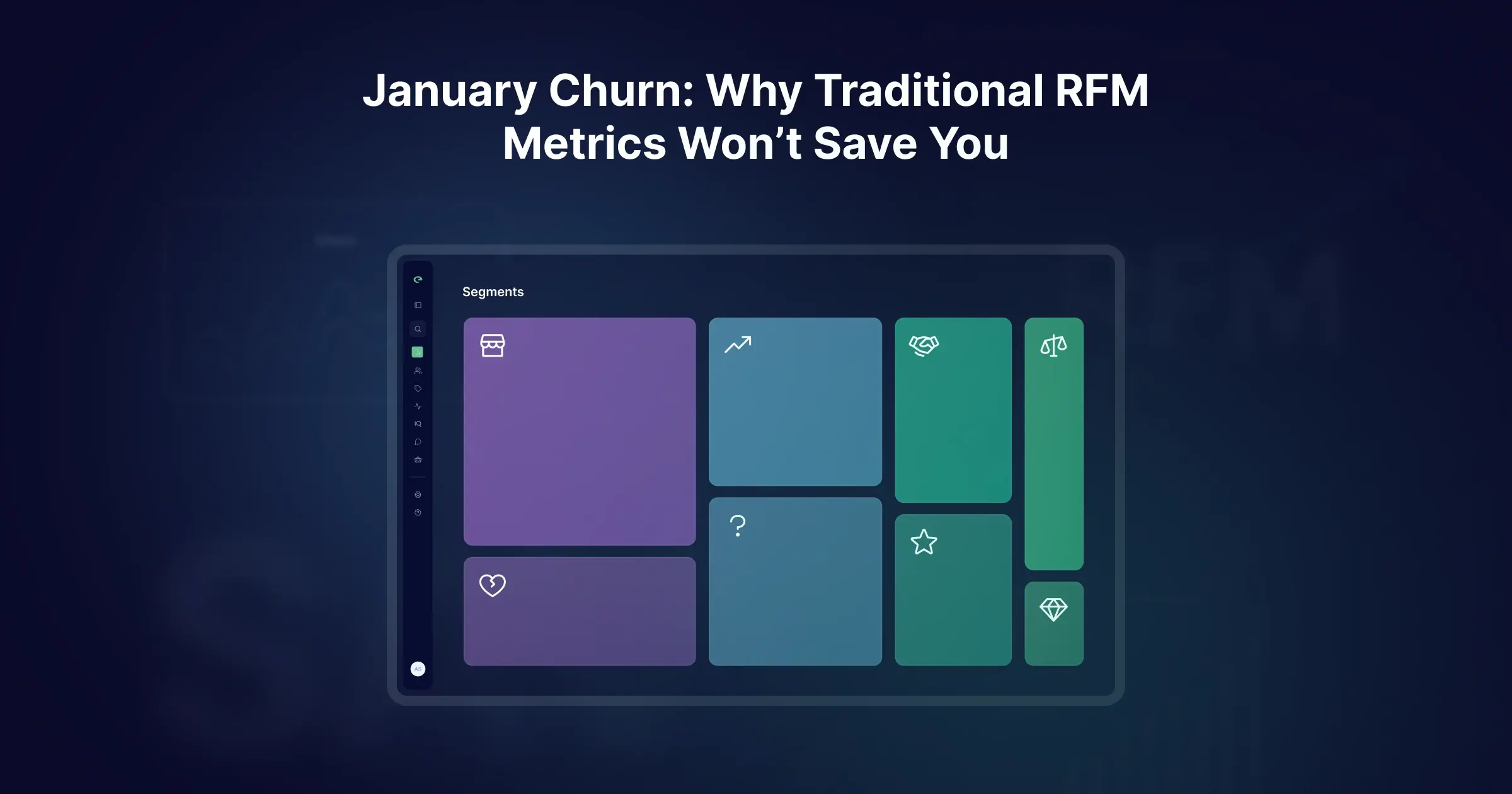
The goal of the SAV framework is to take complex data – comprising 50 to 60 customer attributes – and simplify it into a single, actionable visual.
You don't need to guess who is ready to cancel and who is ready to buy. By respecting the recurring nature of your business and looking at Stability, Attachment, and Value, you can turn a generic holiday campaign into a precision revenue strategy.